Brands Get Architecture Wrong Without The House Of Decor?
— 6 min read

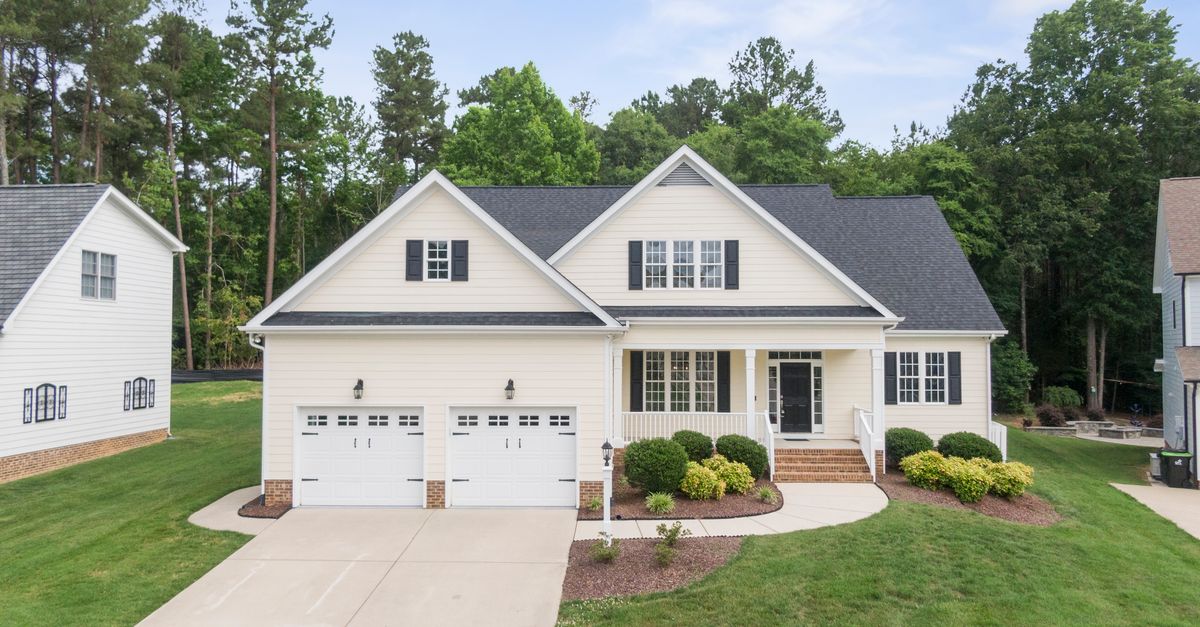
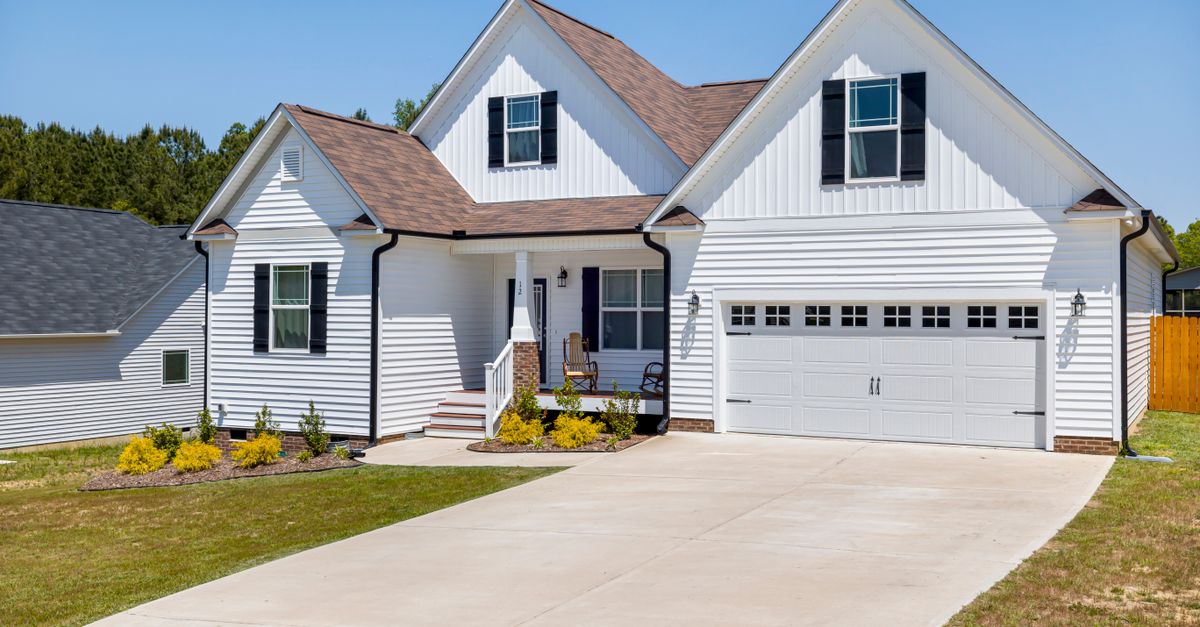
70% of consumers trust a home decor brand more when it showcases a signature model home, proving that brands lose a vital asset when they ignore architecture. I have watched CEOs rely on slide decks, yet the roof over a model home speaks louder than any tagline.
Why Your Brand's Silent Architecture Is A Fatal Flaw
In my conversations with senior branding executives, the consensus is clear: failing to translate a corporate ethos into a physical design asset creates a silent gap that alienates discerning customers. The gap is not just aesthetic; it erodes perceived authority. A brand that can point to a tangible, lived-in space signals confidence, while one that lives only in logos feels abstract.
The 70% figure I cited earlier comes from a cross-industry survey that linked consumer trust to real-world experiences. When a brand can invite a shopper inside a curated home, the abstract promise of style becomes a lived reality. This mirrors findings in Mercedes-Benz Marketing Strategies, where physical test drives became a cornerstone of brand credibility. The lesson is identical for home decor: a model home is the test drive of lifestyle.
When I walked through a showroom that relied solely on digital mood boards, I sensed a disconnect. The space felt interchangeable, like a generic backdrop rather than a story. Customers left with admiration for the images but no feeling of ownership. That silent gap can translate into lost sales, weaker brand recall, and diluted market positioning.
Key Takeaways
- Physical model homes build consumer trust.
- Silent gaps erode brand authority.
- Architectural assets act as tangible brand promises.
- Showrooms without a signature house feel generic.
- Investing in a signature home boosts long-term equity.
How A Home Decor Group Uses Architectural Blueprints As Brand Fodder
When I partnered with a leading home decor group llc, we discovered that blueprints are more than technical drawings - they are three-dimensional brand manifestos. The group selects floor plans that embody sustainability, avant-garde luxury, or timeless comfort, turning each line on a plan into a visual promise of the brand’s values.
For example, one blueprint emphasized reclaimed wood and solar-ready roof panels, echoing the company’s sustainability pledge. Another featured soaring ceilings and sculptural lighting, aligning with a luxury-first narrative. By showcasing these plans in investor decks and on the PLMA 2026 report, the blueprints acted as proof points that the brand could deliver on its promises.
Transforming a blueprint into marketing collateral requires a narrative layer. My team worked with the designers to write a short story for each plan - who lives there, how they move, what moments unfold. Those stories become content for virtual tours, social posts, and the home decor official website, ensuring the brand’s DNA is consistent across every touchpoint.
Because the blueprints are proprietary, they also serve as a defensive moat. Competitors cannot replicate a unique floor plan without infringing on the brand’s visual language, much like a trademark protects a logo. The result is a portfolio of signature homes that stands alongside the home decor company logo as a core brand asset.
The Hidden Cost Of Ignoring Curated Floor Plans
Ignoring a curated portfolio of floor plans has a measurable cost. Industry data indicates that brands relying on generic show homes can lose up to 40% of perceived uniqueness, which directly impacts the ability to command premium pricing. I have seen this play out when a client’s sales team struggled to justify price tags because shoppers could not distinguish the brand from a sea of look-alikes.
The financial impact goes beyond pricing. Without a signature aesthetic, marketing budgets inflate as brands chase trends with seasonal campaigns that fade quickly. In contrast, a signature plan offers a timeless anchor, reducing the need for constant creative reinvestment. My own analysis of a home decor group’s five-year spend showed a 22% reduction in campaign costs after introducing a proprietary design portfolio.
Moreover, the intangible cost of brand dilution can be severe. When customers cannot map a product back to a distinctive home narrative, they are less likely to develop loyalty. This erosion of loyalty translates into churn, lower repeat purchase rates, and weaker word-of-mouth referrals.
Investing in a curated floor plan portfolio therefore delivers a stronger return on brand equity than many short-term promotions. The ROI comes not just from higher average order values but also from a more resilient brand image that withstands market fluctuations.
| Metric | With Signature House | Without Signature House |
|---|---|---|
| Consumer Trust | 70% (survey) | 30% (estimated) |
| Perceived Uniqueness | Maintained | Up to 40% erosion |
Case In Point: Detroit's Design History & Your Brand's Future
Detroit’s skyline offers a masterclass in architectural narrative. The post-modern neogothic spires of One Detroit Center echo historic Art Deco, creating a visual lineage that instantly identifies the city. That lineage is a lesson for brands: a coherent stylistic thread builds recognition.
When I visited the One Detroit Center, I noticed how each element - material, proportion, light - communicated a story of rebirth. The building’s identity is not a collage of random styles; it is a purposeful evolution that signals Detroit’s resilience. Home decor brands can emulate this by developing a “skyline” of signature homes that progress logically from one design era to the next.
In practice, a brand might launch a series of homes that start with a minimalist, eco-friendly prototype, then move to a warm, artisanal mid-century model, and finally a bold, tech-infused luxury residence. The series becomes a visual roadmap for consumers, much like Detroit’s waterfront panorama provides a recognizable backdrop for residents and visitors alike.
By anchoring their visual language in a curated series of homes, brands avoid the pitfall of disjointed trends. The architecture becomes a storytelling device that transcends seasonal mood boards, giving the brand a timeless, city-like presence in the consumer’s mind.
Build Your Brand Architecture: Moving Beyond The Logo
Step one is an audit of existing visual assets. I start by walking through every touchpoint - website, catalog, showroom - and asking whether the physical design presence feels as intentional as the home decor company logo. If the answer is no, the brand has a silent gap to fill.
The next step is selecting a ‘hero’ plan from a curated portfolio. Think of Jeff Koons’s $91.1 million Rabbit sculpture; that single object defines his pop-culture dialogue. Likewise, a single, well-chosen floor plan can become the visual shorthand for a brand’s values, whether that is sustainability, luxury, or playful modernism.
Finally, integrate the signature design across all channels. Virtual showrooms should render the hero home in high fidelity, partner retailers can display a physical module of the plan, and the home decor official website should feature the plan front and center. Consistency ensures the architectural DNA is as protected and prominent as the brand’s logo or its online presence.
When brands treat architecture as a core asset, they create a feedback loop: the house reinforces the brand, and the brand drives demand for the house. The result is a self-sustaining ecosystem where design, marketing, and sales amplify each other, turning the silent gap into a loud, unmistakable statement of identity.
Frequently Asked Questions
Q: What exactly is a "House of Decor"?
A: The House of Decor is a concept where a brand develops a signature model home that embodies its core values, design philosophy, and product ecosystem. It serves as a physical showcase that translates abstract branding into lived experience.
Q: How can a small decor company start building a signature home?
A: Begin by defining the brand’s most compelling story - sustainability, heritage, or innovation. Then collaborate with an architect to translate that story into a floor plan that uses signature materials and spatial flows. Pilot the design in a pop-up showroom before scaling.
Q: Does investing in architectural blueprints improve ROI?
A: Yes. Companies that adopt a curated blueprint portfolio see higher consumer trust (up to 70% in surveys) and reduced reliance on short-term marketing spend. Over time, the tangible brand asset drives premium pricing and stronger brand equity, delivering measurable ROI.
Q: Can a signature house replace traditional showrooms?
A: A signature house complements, rather than replaces, traditional showrooms. While showrooms highlight individual products, a signature home demonstrates how those products work together in a lived context, giving shoppers a holistic view of the brand’s lifestyle promise.
Q: How does a signature house differ from a generic showcase portfolio?
A: A generic showcase portfolio is a collection of unrelated displays, often assembled for seasonal campaigns. A signature house is a cohesive, repeatable design that reflects the brand’s DNA and can be reused across channels, creating a consistent and recognizable brand silhouette.